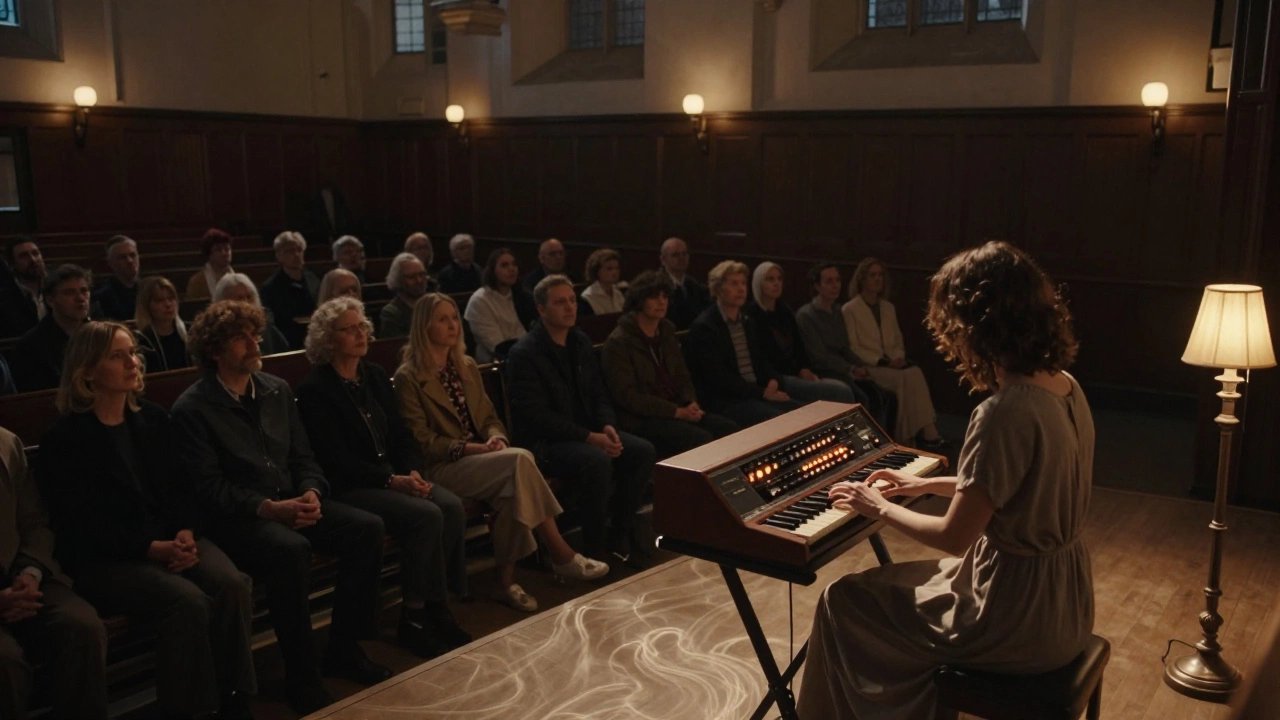
Most concerts feel the same: loud music, packed crowds, strangers shoulder to shoulder, and a stage that might as well be on another planet. But what if you could hear every note like it was written just for you? That’s the kind of experience Moog delivers - not just a show, but a quiet, intimate moment between artist and listener. It’s not about the biggest names or the loudest bass. It’s about presence. About feeling the vibration of a synth wave ripple through the room like breath.
Some people look for luxury in the form of VIP lounges or backstage passes. Others chase the thrill of a festival crowd. But if you’ve ever sat through a concert wondering why it didn’t feel real, you might want to look closer at what Moog does. Their events are small - rarely more than 50 people. No barriers. No security lines. Just a stage, a few speakers, and an audience that came because they wanted to listen, not just scroll. And yes, if you’re in London and curious about personal experiences beyond music, you might stumble across euro girls escort london - a different kind of intimacy, but one that shares the same desire for connection.
Why Moog Feels Different
Moog isn’t a venue. It’s not even really a brand. It’s a philosophy. Founded in the early 2010s by a group of synth engineers and jazz musicians who got tired of stadiums turning music into noise, Moog started hosting secret gigs in converted warehouses, libraries, and even old church halls. The rules are simple: no phones on stage. No talking during performances. No tickets sold online. You get in by invitation only - or by showing up early and asking.
The sound system is custom-built. Not the kind you see in clubs with 12 subwoofers. These are analog, hand-tuned, and placed just right so the music doesn’t hit you - it wraps around you. One attendee described it as hearing a piano played in a cathedral, but with the warmth of a lullaby. The artists aren’t famous on Spotify. They’re people who’ve spent years perfecting a single sound. One performer, known only as ‘Vela’, plays a modified Moog synthesizer that hasn’t been sold since 1982. She doesn’t play songs. She plays moods.
The Art of Listening
Modern concerts are designed for distraction. You’re supposed to take photos, post stories, and shout along to choruses you don’t even know. Moog flips that. The lights stay dim. No visuals. No projections. Just the musician and the sound. You’re not there to be seen. You’re there to feel.
People who attend these events often say they leave quieter than they arrived. Not because they’re bored - but because they’ve been deeply moved. One woman told a journalist she cried for ten minutes after a 17-minute piece that had no drums, no vocals, just a single oscillating tone that shifted from sadness to hope. She hadn’t cried like that in years.
This isn’t about exclusivity. It’s about attention. In a world where everything is optimized for speed and volume, Moog offers the opposite: slowness. Depth. Silence as part of the music.

Who Goes to These Shows?
You won’t find influencers here. No one’s wearing branded merch. The crowd is a mix - retirees who used to build radios in their garages, students studying sound design, composers who’ve never played live before, and a few people who just needed to hear something real. There’s no dress code. No VIP section. No merch table. If you want a t-shirt, you’ll have to make one yourself.
Some come because they’re musicians themselves. They want to learn how to make silence matter. Others come because they’re tired of being sold something. A ticket. A vibe. A hashtag. Moog doesn’t sell anything. It just opens the door.
And yes, if you’re in London and looking for a different kind of personal encounter, you might have heard of euro girl escort london. It’s not music. But like Moog, it’s about seeking something deeper than surface-level interaction.
How to Find a Moog Event
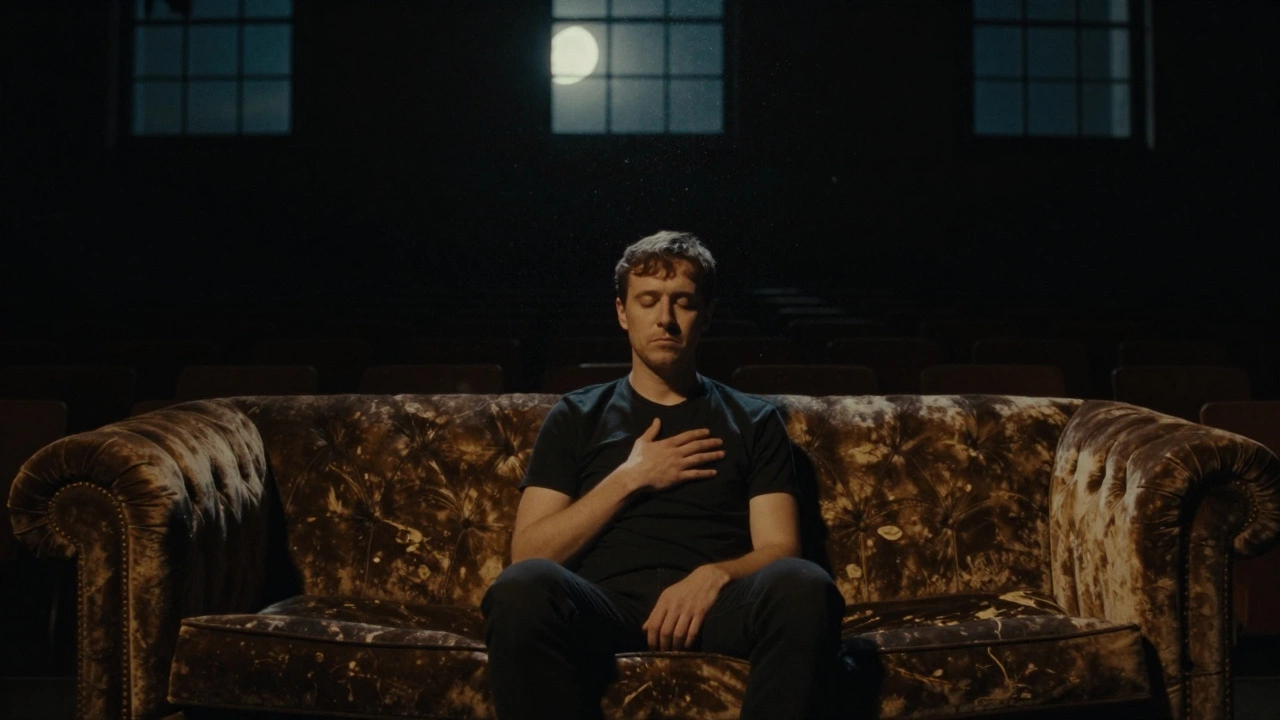
You can’t Google it. You won’t find tickets on Eventbrite. The only way to know about a show is through word of mouth - or by being on their mailing list, which you can join by visiting one of their occasional open houses. These happen once every few months in East London. No RSVP. Just show up at 6 p.m. on a Tuesday. They hand out tea and ask you why you’re there. If your answer feels honest, you get in.
They don’t announce artists ahead of time. You don’t know who’s playing until you walk in. That’s part of the point. It removes expectation. You come without a playlist. You come open.
One regular attendee, a retired sound engineer named Harold, says he’s been to 43 Moog events in seven years. He’s never seen the same artist twice. He’s never left disappointed.
What Makes This Experience Worth It?
It’s not cheap. Tickets cost £80. That’s more than most festivals. But you’re not paying for a band. You’re paying for time. For space. For silence. For a night where no one checks their phone. For a room where your thoughts aren’t drowned out by a bass drop.
Think of it like this: you can buy a vinyl record. You can stream a live concert. But you can’t buy the feeling of sitting three feet from someone who’s making music no one else in the world can make - and knowing they made it just for you in that moment.
Moog doesn’t promise fun. It doesn’t promise a good time. It promises presence. And in 2025, that’s rarer than a perfect sine wave.
If you’ve ever felt like music lost its soul, this might be where you find it again. And if you’re in London and wondering where else to find personal connection beyond the noise, you might have heard of euro escort girls london. It’s not the same thing. But it’s the same hunger - for something real, quiet, and just for you.