
When HM Revenue and Customs (HMRC) announced it had accidentally collected an estimated £43.5 million in extra income tax from millions of retirees, the reaction wasn't just anger—it was disbelief. The twist? The average overcharge per person is roughly £5. It’s a classic case of bureaucratic bloat: tiny errors multiplied by massive scale.
The error affected up to 8.7 million state pensioners across the United Kingdom last year. While five pounds might not buy much coffee these days, for someone on a fixed income, every penny counts. More importantly, it raises serious questions about how one of the world's largest tax authorities manages basic calculations.
The Triple Lock Calculation Glitch
Here’s the thing: this wasn’t random fraud or malicious intent. It was a technical miscalculation tied to the government’s beloved triple lock system. For those unfamiliar, the triple lock guarantees that the state pension rises by whichever is highest: inflation, average earnings growth, or a minimum of 2.5%.
Last year, when the pension rate increased, HMRC’s systems failed to account for the transition period correctly. According to internal guidelines, tax should have been calculated based on 51 weeks at the new, higher rate and one week at the old rate. This transitional buffer bridges the gap between the announcement of the rise and the first payment made at that higher rate.
Instead, HMRC’s computers taxed everyone as if they had received the higher rate for all 52 weeks of the tax year. That single week of difference pushed recorded income slightly higher than reality, triggering excess income tax charges.
- Basic-rate taxpayers: Overcharged by approximately £1.81
- Higher-rate taxpayers: Overcharged by approximately £3.62
- Additional-rate taxpayers: Overcharged by approximately £4.00
It sounds negligible until you multiply it by 8.7 million people. Suddenly, you’re looking at tens of millions in revenue that shouldn’t exist.
Who Is Affected?
The net cast here is wide. If you receive the UK state pension and pay income tax, you’re likely in the crosshairs. This includes two distinct groups:
- Retirees filing via Self-Assessment: Those who manage their own tax returns and may have missed the subtle discrepancy in their coding notices.
- Working Pensioners: Individuals still employed who pay tax through the Pay As You Earn (PAYE) system. Their employers deducted tax based on incorrect codes provided by HMRC.
The issue was reportedly brought to HMRC’s attention in August, yet the Department for Work and Pensions (DWP) wasn’t informed until October. That two-month delay suggests internal communication breakdowns are as prevalent as the calculation errors themselves.
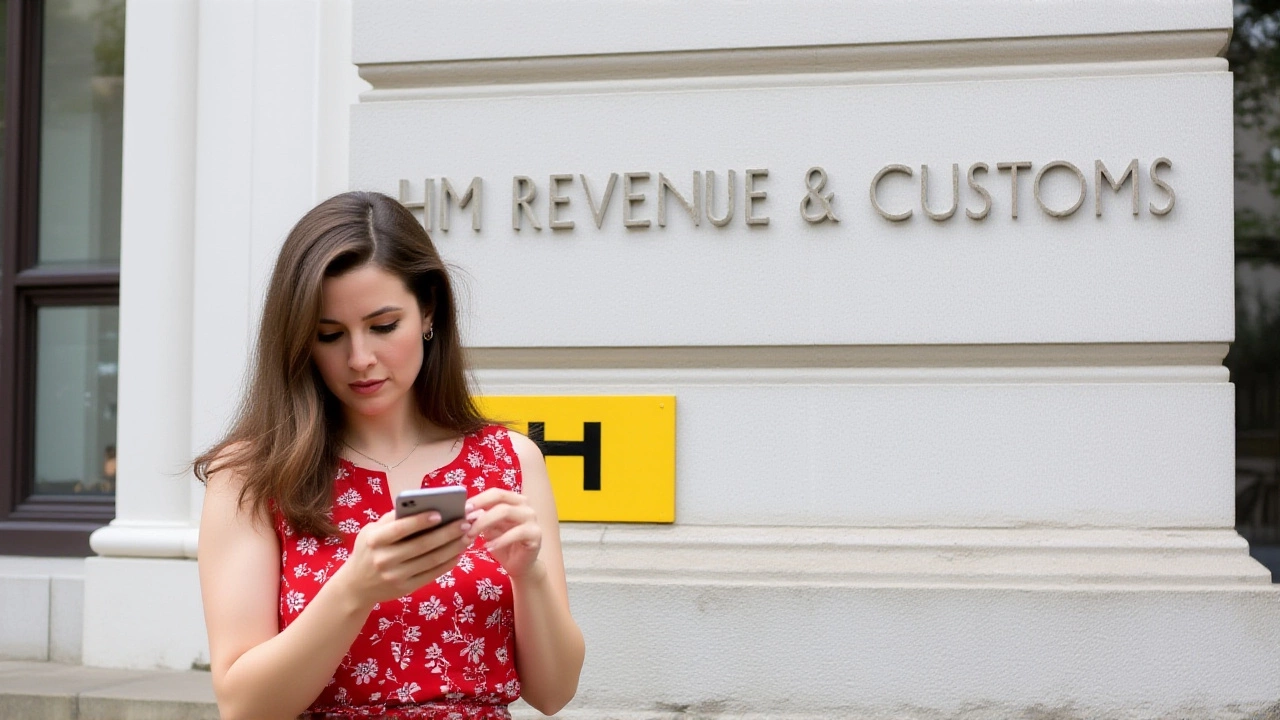
"Minimal Impact" vs. Public Outrage
Honestly, HMRC’s response feels tone-deaf. An official representative stated, “We regret the inconvenience caused by this mistake... although the overall impact is minimal, with the average difference in tax owed being around £5.”
Calling a £43.5 million error “minimal” because it’s spread thin is a bold spin. But wait—there’s more. Despite admitting the fault, HMRC has not automatically refunded the money. They haven’t even contacted most affected pensioners directly. Instead, they’ve issued vague promises to “fix the problem later this summer” while urging individuals to proactively claim their refunds.
This puts the burden on elderly citizens—many of whom struggle with digital interfaces or complex phone menus—to chase back money that was taken in error. As The Independent sharply noted, HMRC “takes money, admits the ‘error’, doesn’t automatically refund them, doesn’t properly tell them, then hopes to fix it.”
What Should You Do?
If you think you’ve been affected, don’t just wait for a letter that may never come. Here’s the actionable advice:
First, check your tax code notice. If you received the state pension increase last year and paid income tax, compare your expected versus actual deductions. Second, contact HMRC directly. You can call their helpline or use the online services to request a review of your tax position for the previous fiscal year.
For working pensioners, inform your employer’s payroll department. They may need to adjust future PAYE codes to prevent further discrepancies, though the retroactive refund will still need to come from HMRC.

Broader Implications for UK Tax Policy
This incident isn’t isolated. It highlights systemic fragility in how automated tax systems handle policy changes like the triple lock. When legislation shifts rates mid-year, legacy IT systems often struggle with the granular adjustments required.
Experts warn that without significant investment in modernizing HMRC’s infrastructure, similar errors could recur. The fiscal year 2025/26 already sees the new state pension set at £230.25 per week. If the same coding logic applies, we could be looking at another round of overcharges unless immediate corrective measures are implemented.
The government plans to roll out a solution “later this summer,” but details remain scarce. Will it be an automatic bulk refund? A simplified self-service portal? Or just more hotlines overwhelmed by calls? Only time will tell.
Frequently Asked Questions
How do I know if I was overcharged by HMRC?
If you receive the UK state pension and pay income tax (either through employment via PAYE or self-assessment), you were likely affected. Check your tax code notice from last year. If you see no adjustment for the partial-year pension increase, you may have been taxed on 52 weeks of the higher rate instead of 51.
Will HMRC automatically send me a refund?
Currently, no. HMRC has stated it will implement a fix later this summer, but reports indicate they are not issuing automatic refunds or contacting all affected individuals. You must proactively contact HMRC to claim any overpayment due to you.
How much money am I owed?
The amount depends on your tax bracket. Basic-rate taxpayers typically overpaid around £1.81, higher-rate taxpayers about £3.62, and additional-rate taxpayers approximately £4. While small individually, these sums add up significantly across the 8.7 million affected pensioners.
Why did this error happen?
The error stemmed from a failure to apply the correct transitional calculation for the state pension triple lock increase. HMRC taxed pensioners on 52 weeks of the new, higher rate instead of the correct mix of 51 weeks at the new rate and one week at the old rate, inflating taxable income figures.
When will the problem be fully resolved?
The UK government and HMRC plan to implement a comprehensive solution later this summer. However, specific timelines for automatic refunds or system updates have not been publicly detailed. Affected individuals are advised to act now rather than waiting for official notifications.